Every sortie has a purpose
Operations launch with a commander, objective, route, comms plan, assigned roles, and abort criteria.
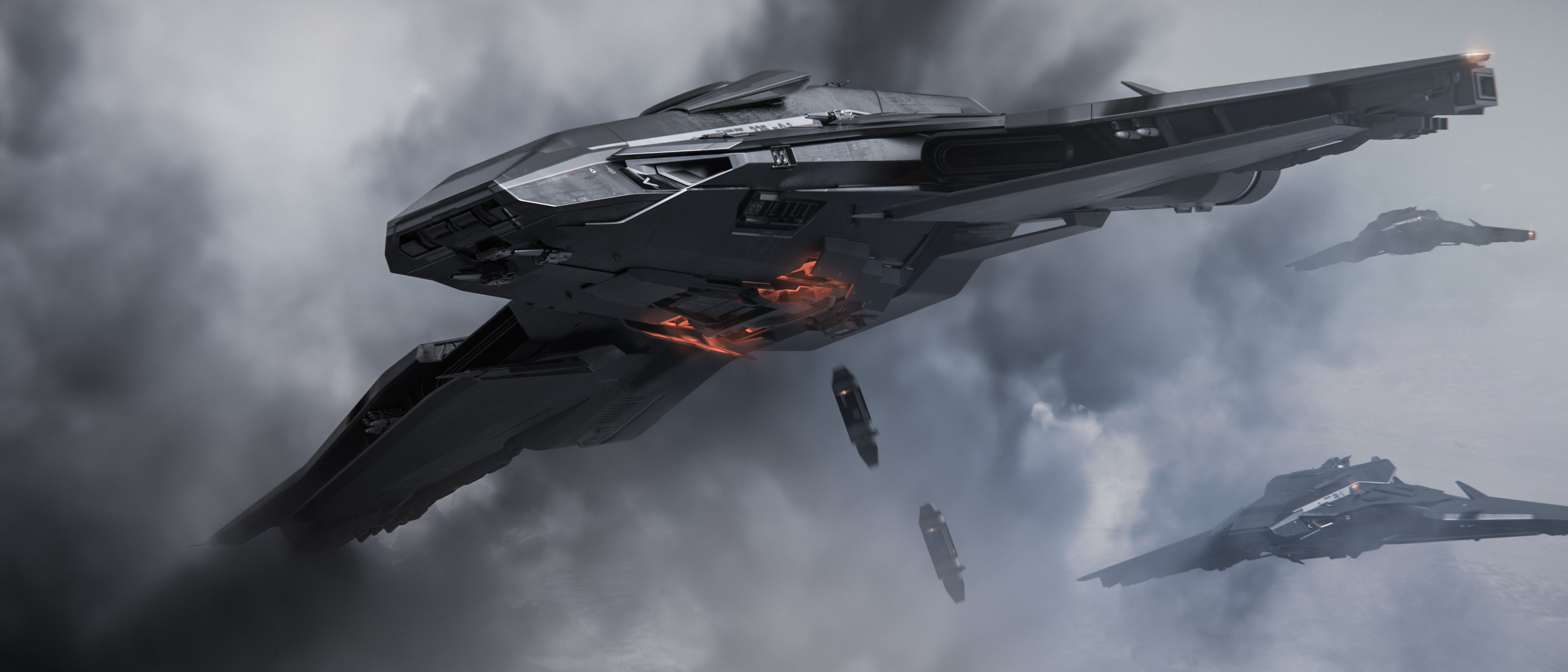
Naval Star Command is a UEE-commissioned strike deterrent built for disciplined Star Citizen milsim. We combine lawful force projection, carrier-group procedure, clear command authority, and immersive fleet storytelling into operations that feel organized, credible, and mission-driven.
 UEE-aligned service
Commissioned to hold the line.
UEE-aligned service
Commissioned to hold the line.
Naval Star Command exists to bring order where the frontier turns hostile: disciplined crews, lawful engagement, coordinated fleet power, and recovery for every element that answers the call.
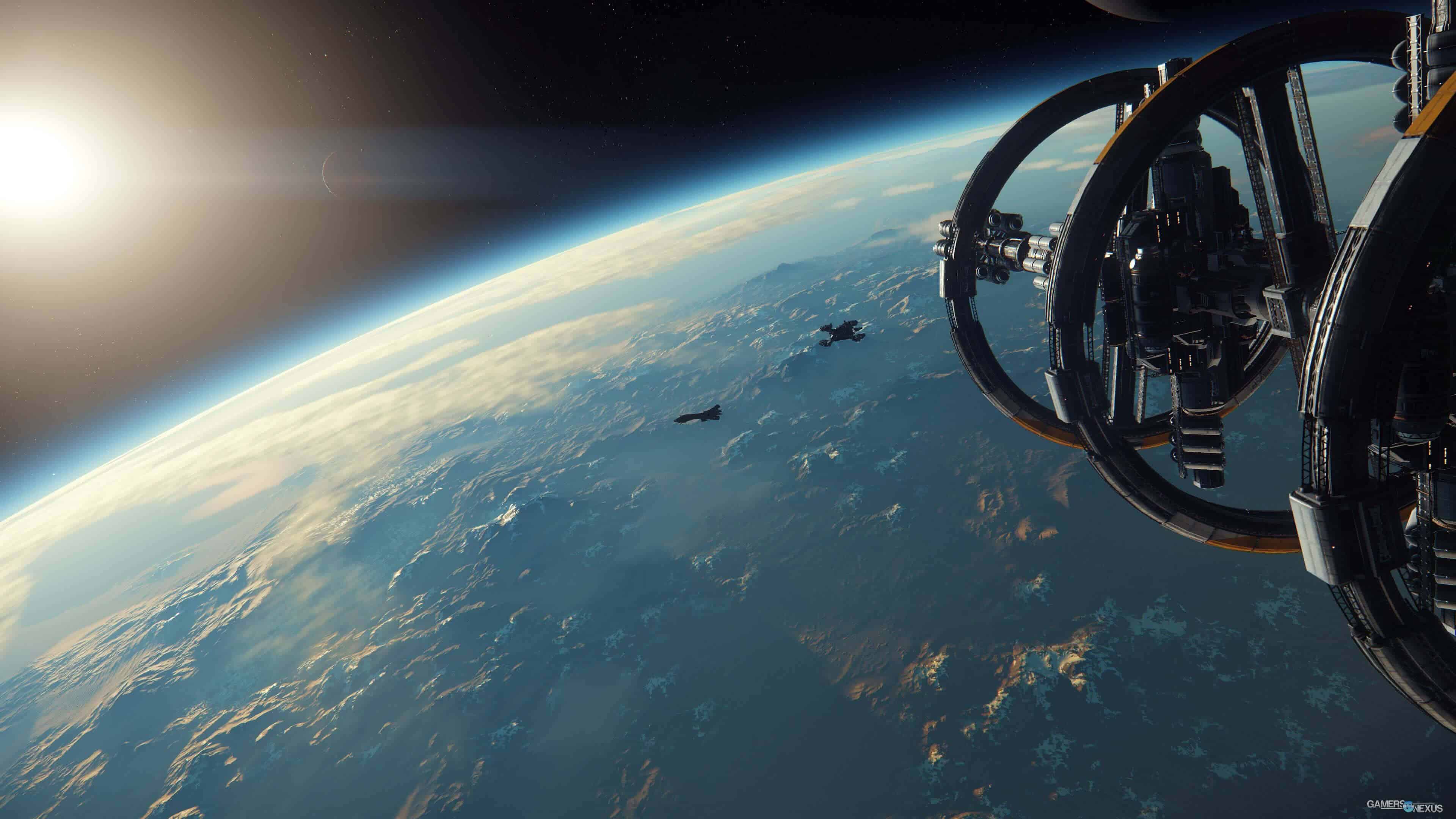
Naval Star Command doctrine turns Star Citizen gameplay into credible fleet operations. Every patrol, escort, strike, and recovery mission is built around command intent, lawful rules of engagement, coordinated ship roles, and the logistics required to bring the task group home.
View operating standardsOperations launch with a commander, objective, route, comms plan, assigned roles, and abort criteria.
Capital ships, escorts, fighters, scouts, and recovery crews work as a screen instead of separate players.
Fuel, repair, medical continuity, transport, and extraction are treated as mission-critical capabilities.
Naval Star Command does not organize casual dogfights. It builds mission narratives with command intent, assigned roles, communications discipline, ship tasking, medical contingencies, extraction planning, logistics support, and after-action review. Every operation is designed to make pilots, crew, marines, medics, and support elements feel like part of one disciplined fleet.
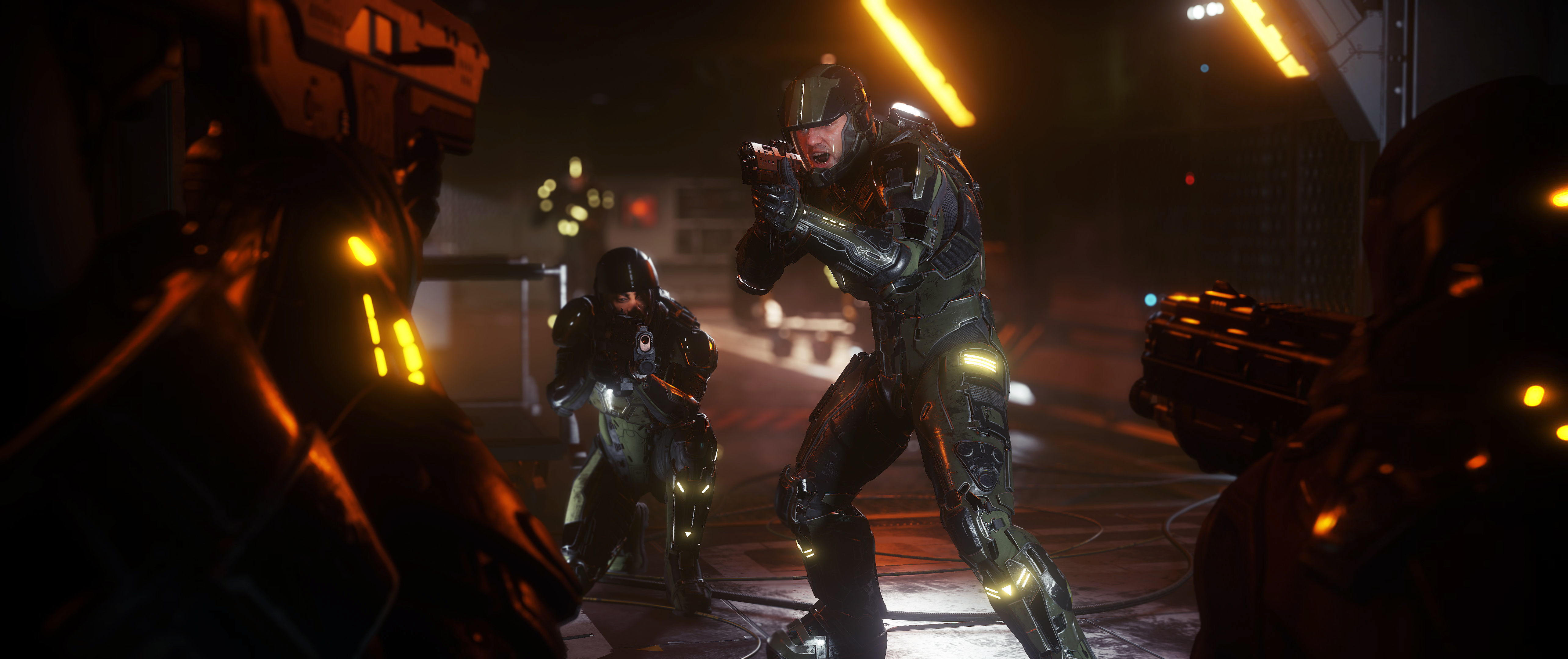
Contacts are identified, reported, and confirmed before the fleet commits weapons, boarders, or pursuit.
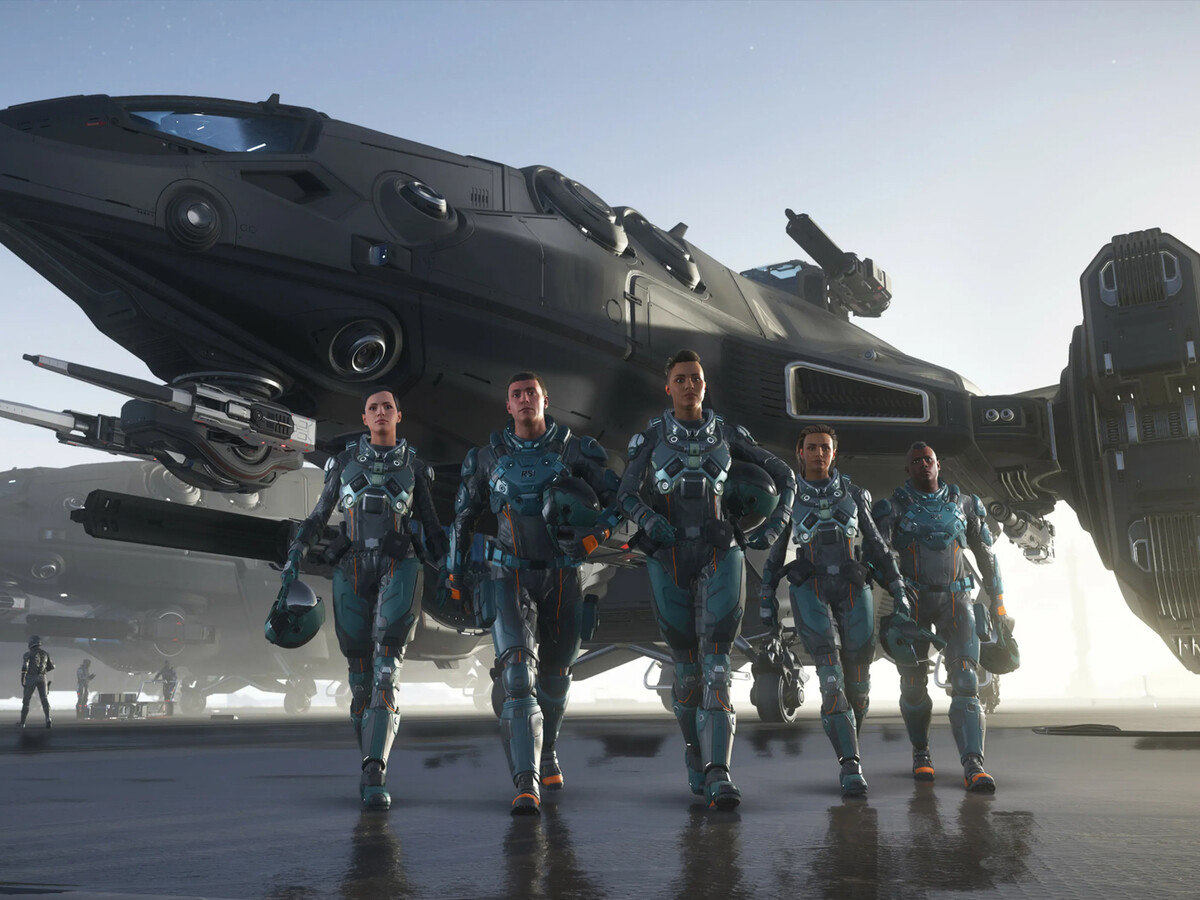
Pilots, marines, medics, and crewmen stay tied to the plan instead of chasing individual glory.
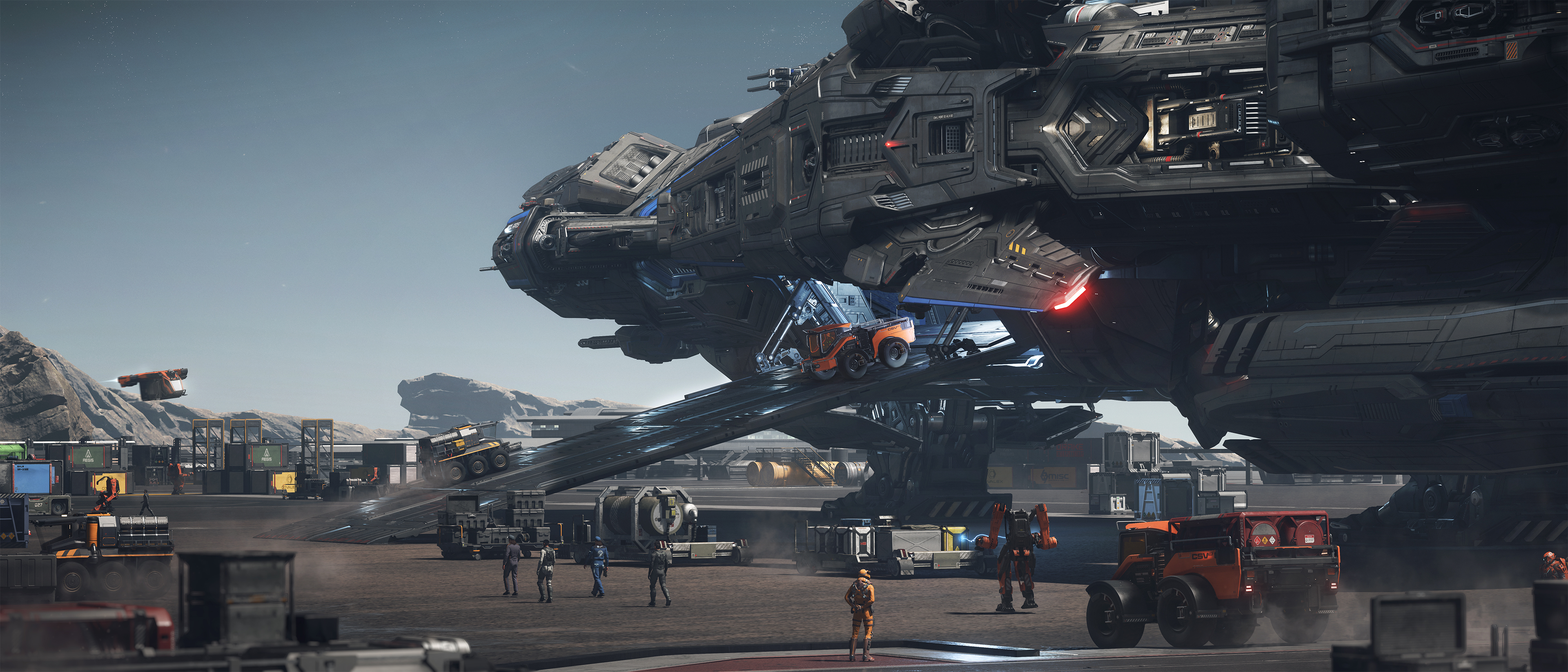
Fuel, repair, rescue, medical response, and extraction keep the operation alive after first contact.
Naval Star Command plans operations through a structured order format: situation, mission, execution, sustainment, and command signal. The goal is simple: every pilot, crewman, marine, medic, and logistics element understands the objective before the first ship moves.
Known threat, friendly forces, terrain, operating area, risk, and special conditions are briefed first.
The task and purpose are stated clearly so every element understands what success actually means.
Scheme of maneuver, task organization, formation control, engagement rules, and abort criteria are assigned.
Fuel, repair, medical, rescue, cargo, and extraction plans keep the task group operational.
Chain of command, primary comms, alternate channels, reporting cadence, and AAR requirements are locked.
Naval Star Command leadership keeps the lore, doctrine, and operational chain of command consistent across training, fleet events, and campaign-style sorties. Each officer supports the structure that turns casual play into organized service: clear authority, reliable reporting, disciplined tasking, and a command culture built around mission success.
Directs Naval Star Command strategy, fleet doctrine, and long-range operational planning.
Maintains command discipline, crew readiness, and execution standards during fleet operations.
Manages readiness reporting, ship assignments, administrative control, and fleet posture.
Leads active sorties, mission narrative execution, and line-level operational control.
Naval Star Command is built for players who want structure, immersion, and fleet teamwork without losing the fun of Star Citizen.
No. We teach comms, formations, roles, and mission discipline in-game through training and operations.
Yes, but practical. We use ranks, chain of command, and doctrine to make missions feel organized, not to kill the mood.
Fleet crew, fighter wing, marines, logistics, medical, intelligence, scouting, and command support all have a place.
Real life comes first. The expectation is communication, readiness for scheduled operations, and a willingness to train.
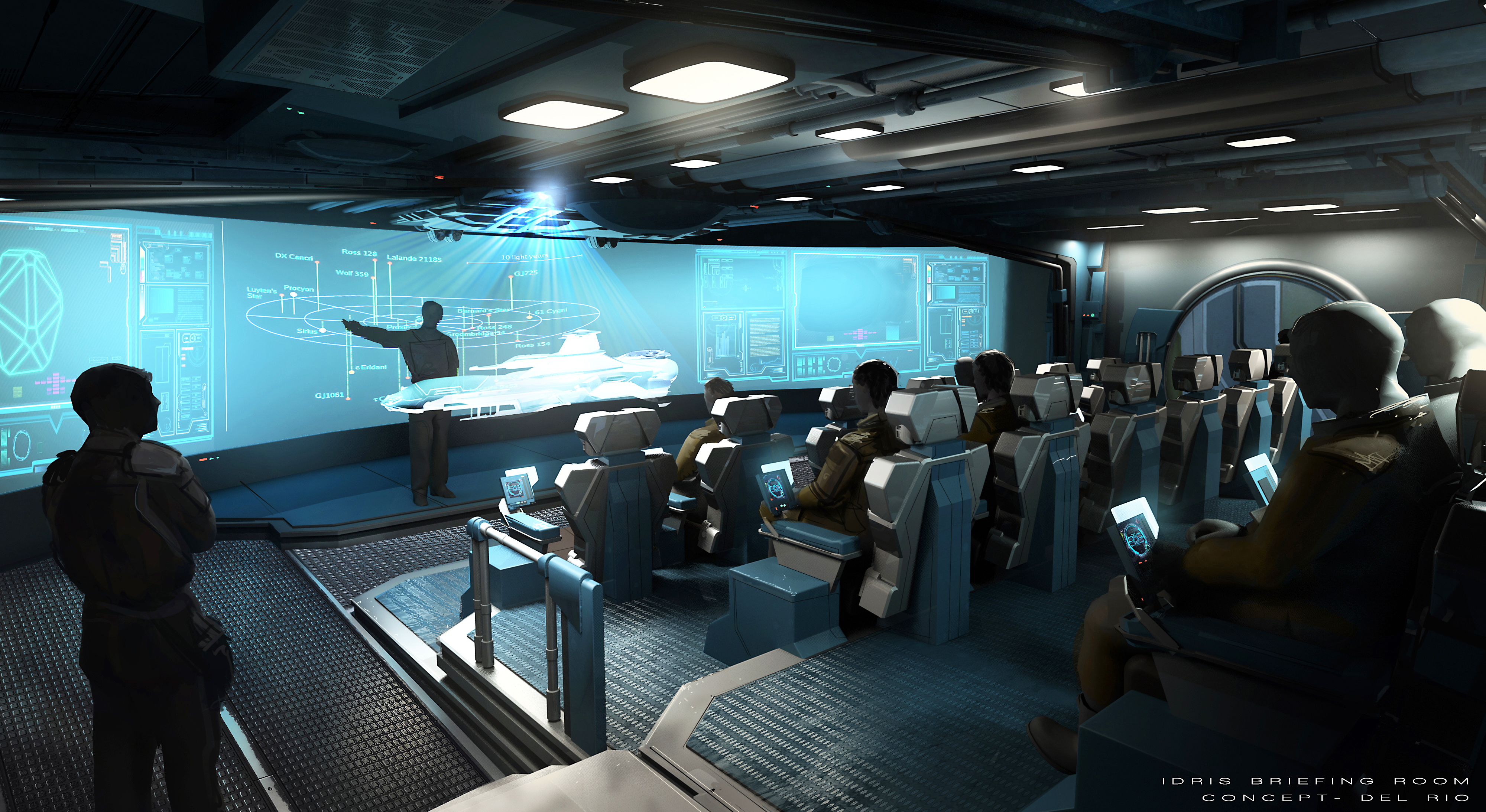
Naval Star Command is looking for players who want more than random combat. Recruits enter a chain of command, learn fleet communications, train with assigned roles, and earn their place inside UEE-aligned operations.